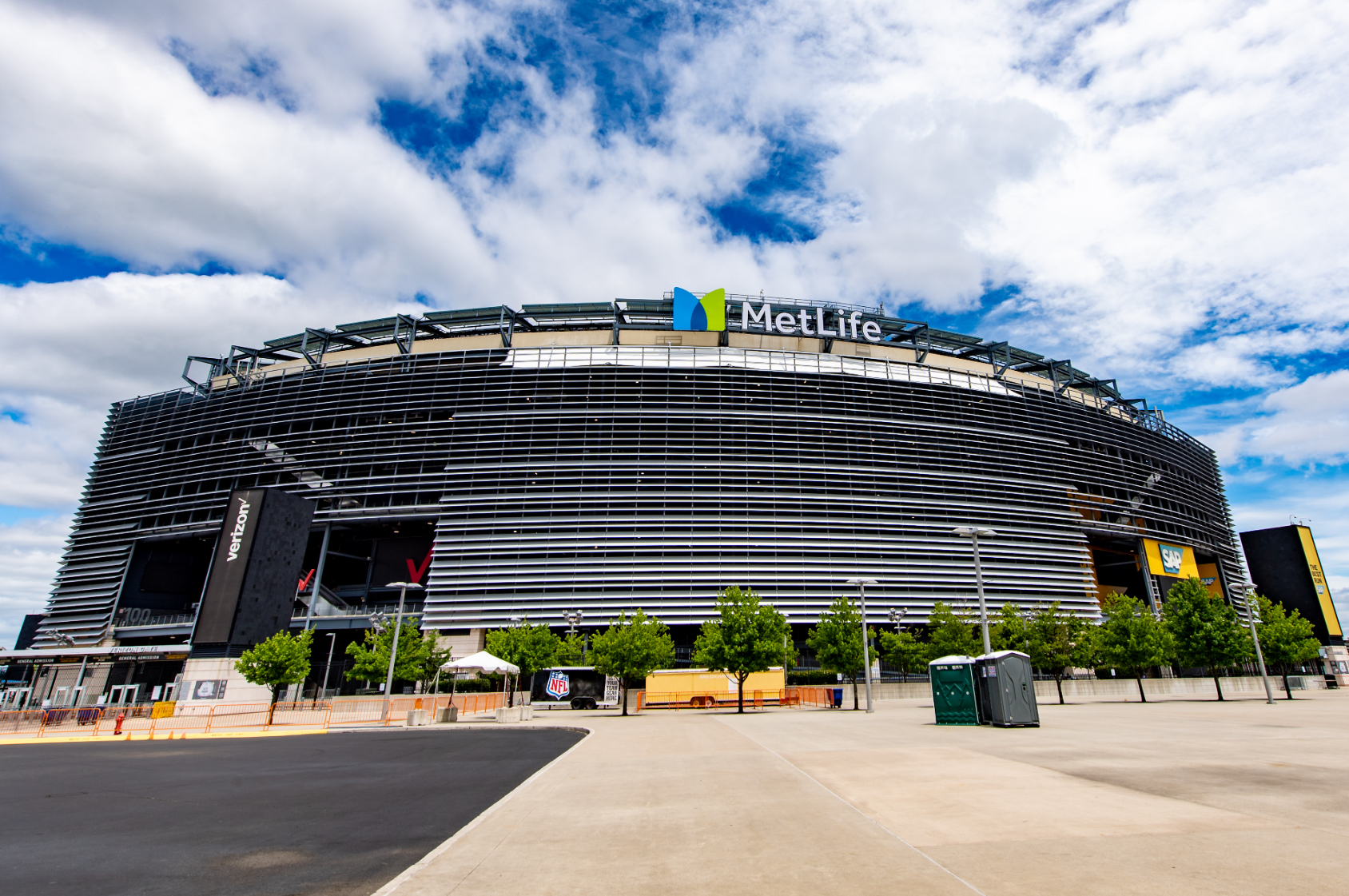
The scale of the 2026 tournament is not just a sporting fact. It is also a search story. Forty-eight teams, 104 matches, and a footprint that stretches across Canada, Mexico, and the United States create long-running demand for explainers, venue files, and practical context.
That is why a serious English-language 2026 site should not wait for the draw to start building topic authority. Host-city pages, schedule explainers, and venue guides can all rank months before daily match coverage begins.
The official tournament window from June 11 to July 19 gives the editorial calendar a clear rhythm. Readers will keep returning for answers on travel, kickoff windows, geography, and how the scale of the event changes the feel of the competition.
For a multilingual tournament, host-city reporting is not side content. It is one of the main search and loyalty engines of the cycle.
From a growth perspective, the host-city beat is one of the cleanest ways to serve North American service intent, Latin American bilingual discovery, and English-speaking European research behavior at the same time.
World Cup 2026 planning continues to be shaped by schedule logic, host-city logistics, and team preparation cycles. Keeping these topics connected helps readers compare timelines across North America, Europe, and Latin America without losing context.
For search users, practical answers matter most: when matches are played, how standings affect knockout routes, and what travel windows look like between venues. Strong editorial pages should combine official facts, clear internal links, and regularly refreshed updates.
This analysis is updated to support long-tail World Cup 2026 queries and to help readers move from a single headline into deeper explainers on fixtures, standings, teams, and tournament format.