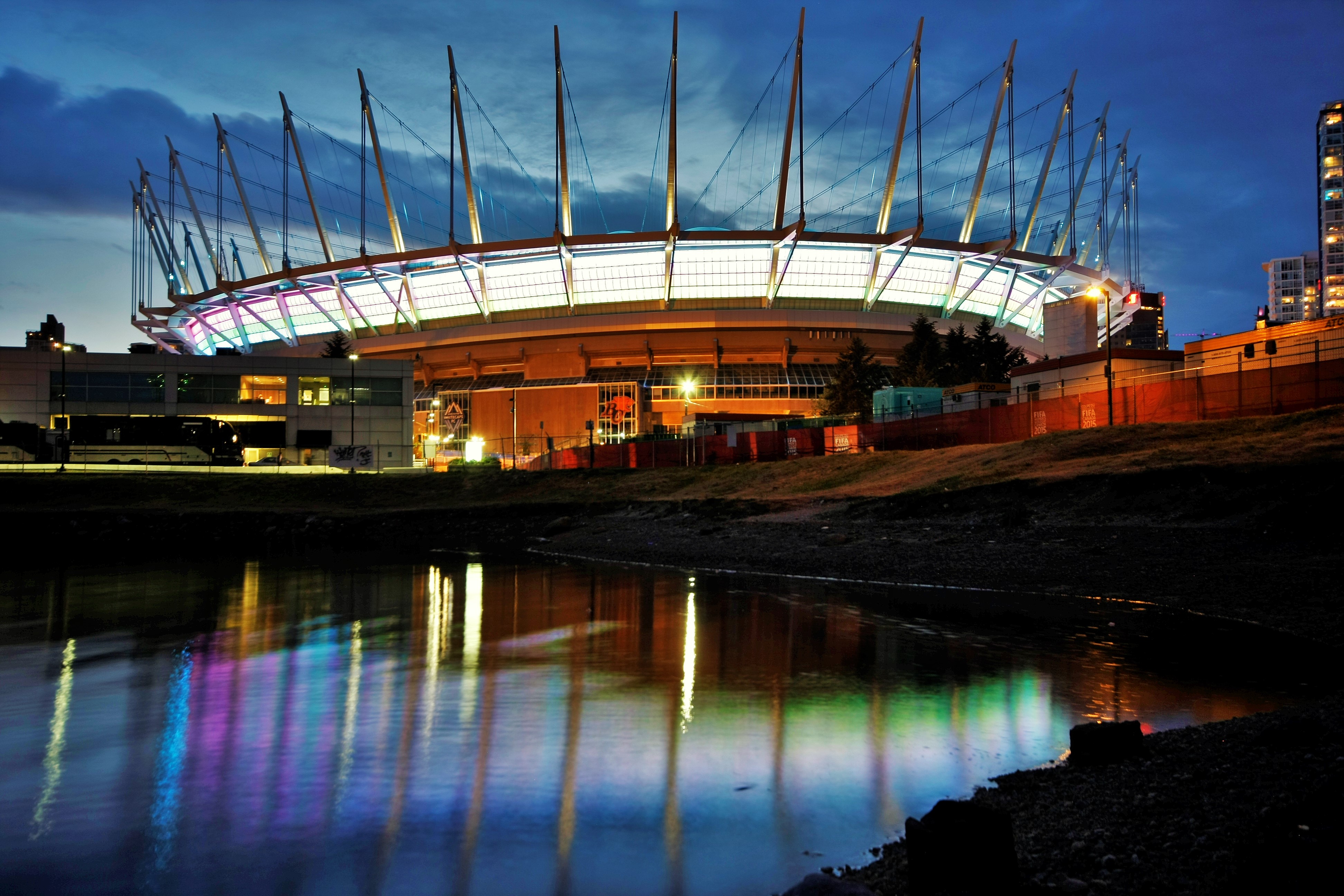
Vancouver and Toronto are both essential to the 2026 map, but they are not interchangeable. Their time zones, city rhythm, and supporter logistics will shape how readers experience the tournament in different ways.
That matters for coverage because a strong host-city desk should not treat every venue page as a copy-paste template. The usefulness comes from showing what is specific about each stop on the map.
For search, Canada’s two-city split is valuable because it broadens city-intent queries while also giving the site a way to connect venue, travel, and match-window context.
The earlier these pages exist, the easier it becomes to build a coherent North American host map instead of a loose collection of stadium notes.
World Cup 2026 planning continues to be shaped by schedule logic, host-city logistics, and team preparation cycles. Keeping these topics connected helps readers compare timelines across North America, Europe, and Latin America without losing context.
For search users, practical answers matter most: when matches are played, how standings affect knockout routes, and what travel windows look like between venues. Strong editorial pages should combine official facts, clear internal links, and regularly refreshed updates.
This analysis is updated to support long-tail World Cup 2026 queries and to help readers move from a single headline into deeper explainers on fixtures, standings, teams, and tournament format.
The host map gets stronger when each city is allowed to feel distinct.