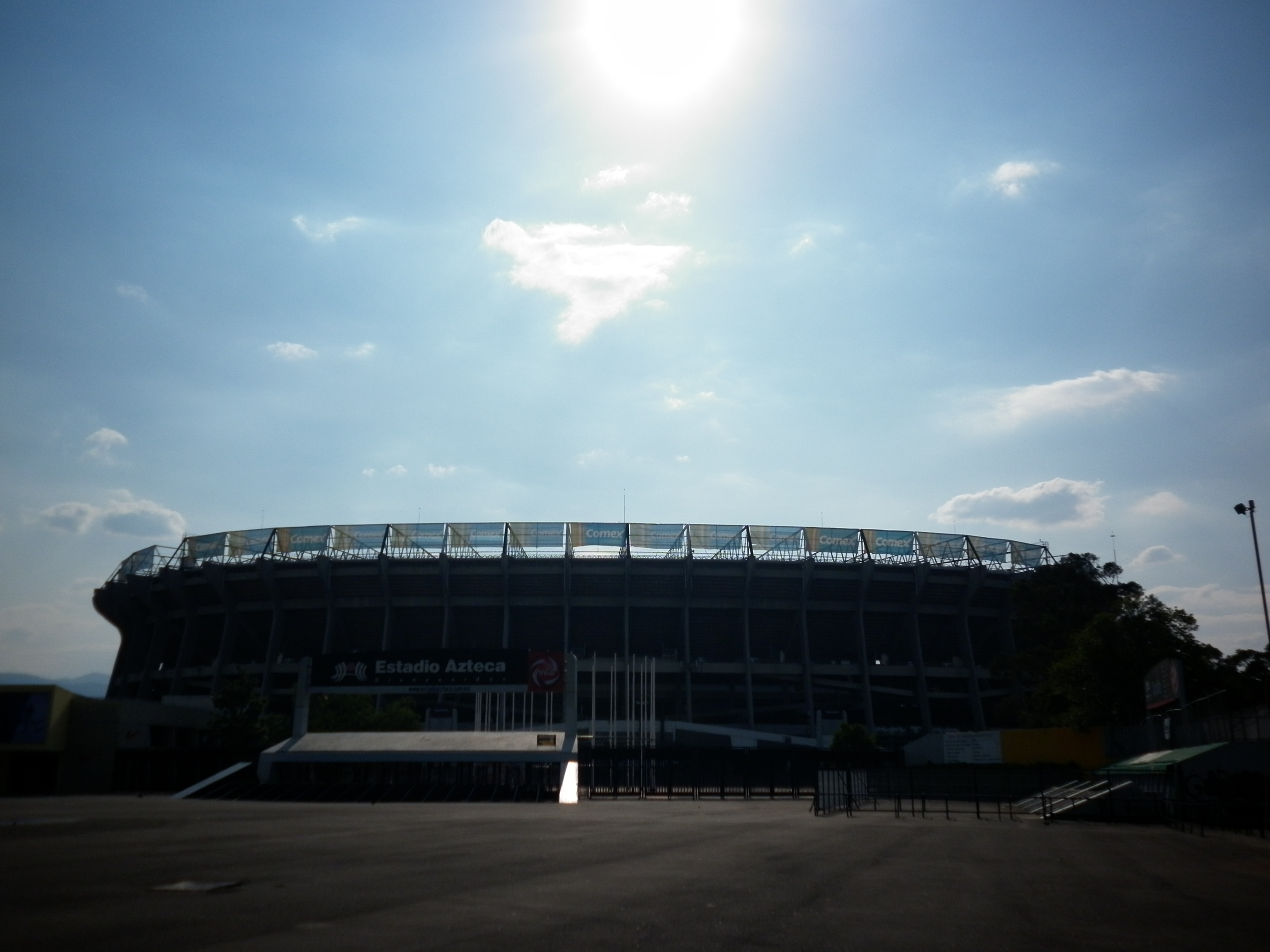
A tournament spread across multiple countries rewards city-by-city coverage, and Mexico is a strong example of that. Readers will not only search for the opening venue. They will also want context on the wider host map.
Guadalajara and Monterrey can each support venue explainers, supporter atmosphere notes, and city-specific service content.
That gives a new site more ways to build durable pages around travel, culture, and tournament geography without repeating the same angle each time.
Editorially, those pages help the Mexico section feel like a network of host files rather than a single symbolic city with a few side notes attached.
World Cup 2026 planning continues to be shaped by schedule logic, host-city logistics, and team preparation cycles. Keeping these topics connected helps readers compare timelines across North America, Europe, and Latin America without losing context.
For search users, practical answers matter most: when matches are played, how standings affect knockout routes, and what travel windows look like between venues. Strong editorial pages should combine official facts, clear internal links, and regularly refreshed updates.
This analysis is updated to support long-tail World Cup 2026 queries and to help readers move from a single headline into deeper explainers on fixtures, standings, teams, and tournament format.
A strong Mexico package should feel like a map, not a single headline.